IDENTITY.IN TYPICAL
Widescale research on Palaces of Culture
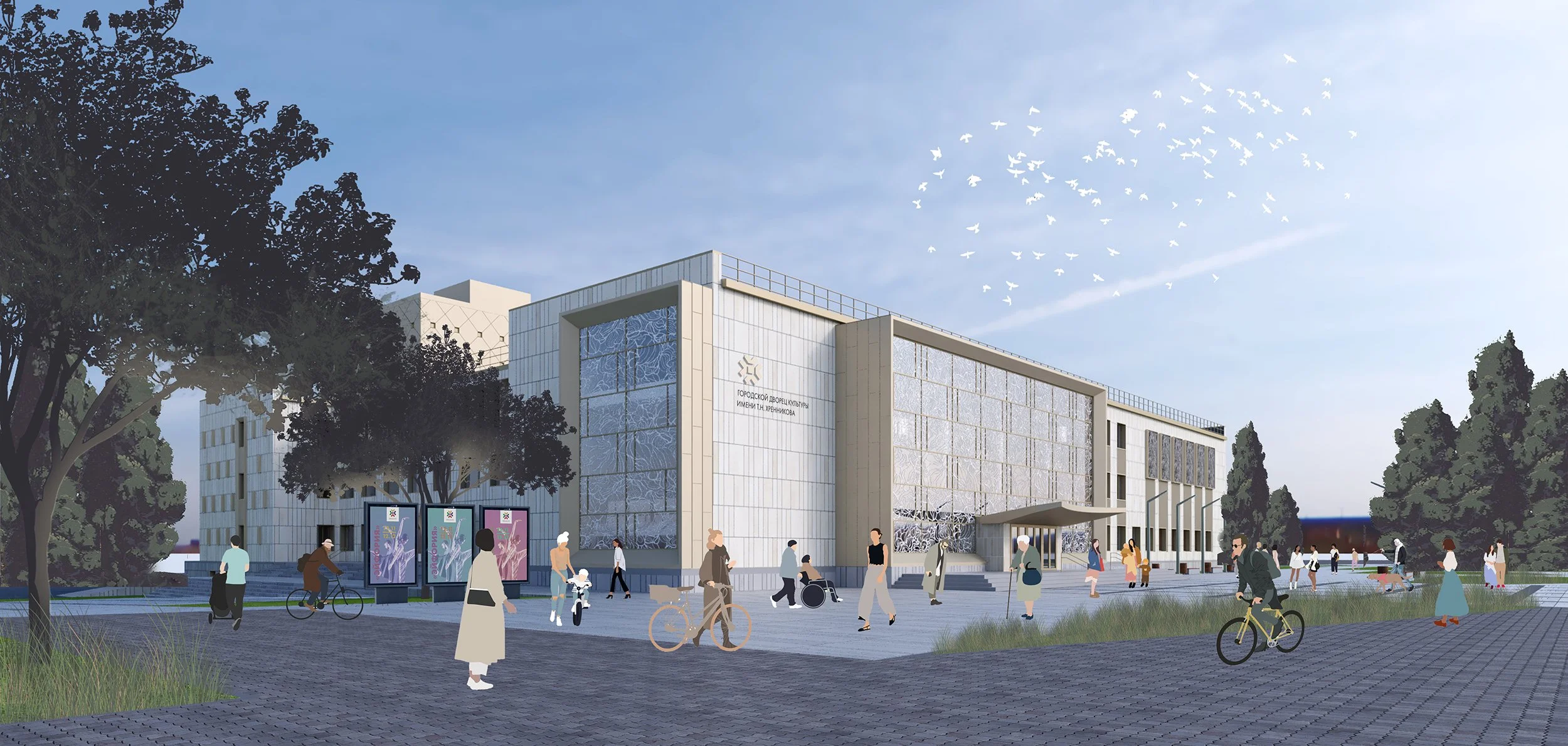
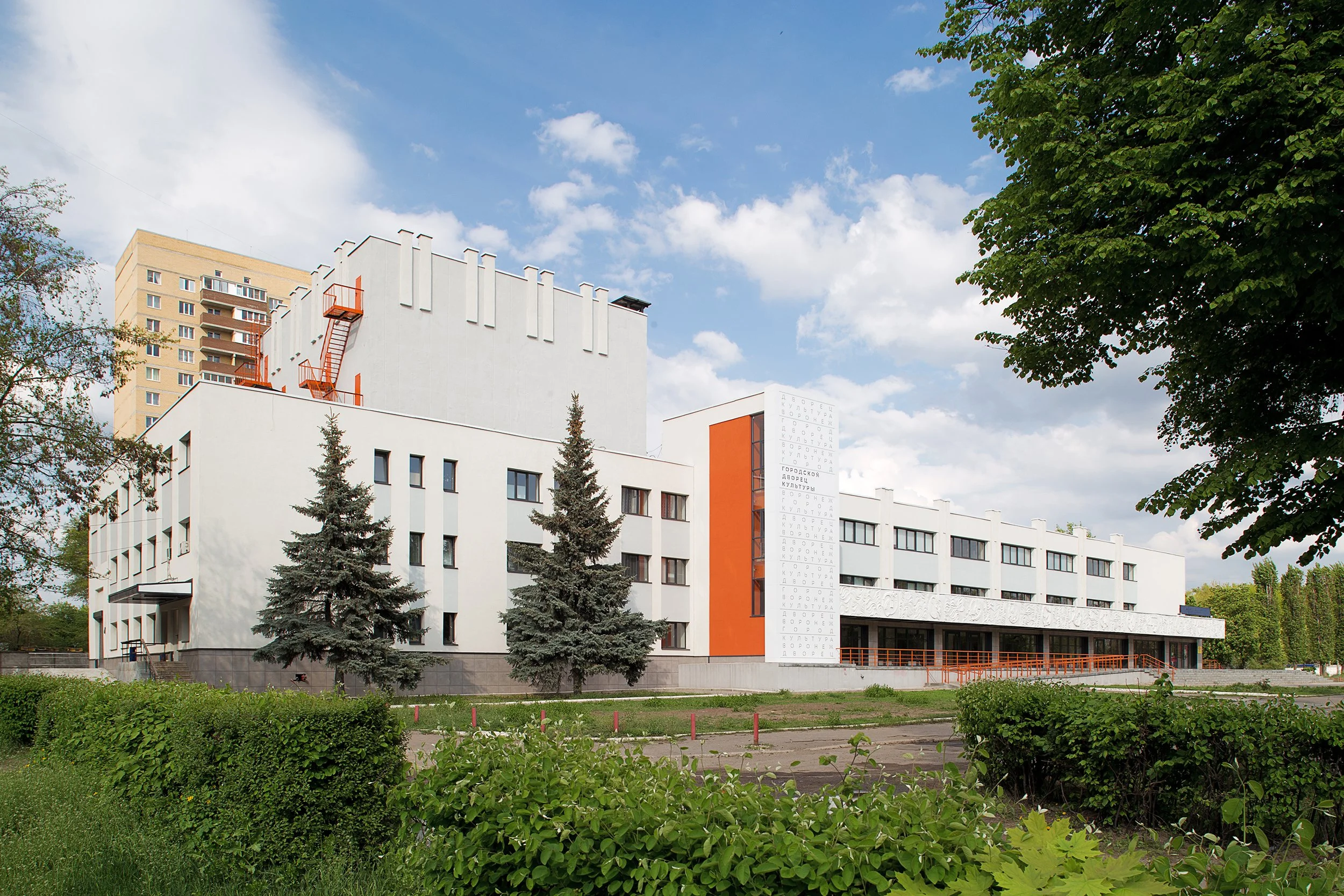
"Identity in Typical" is an international study of the system of Houses and Palaces of Culture across the former Soviet Union, focused on comprehensive research and the development of tools for its modernization. Supported by The Creative Industries Fund NL, the project received multiple awards for excellence in research and garnered significant attention in specialized media.
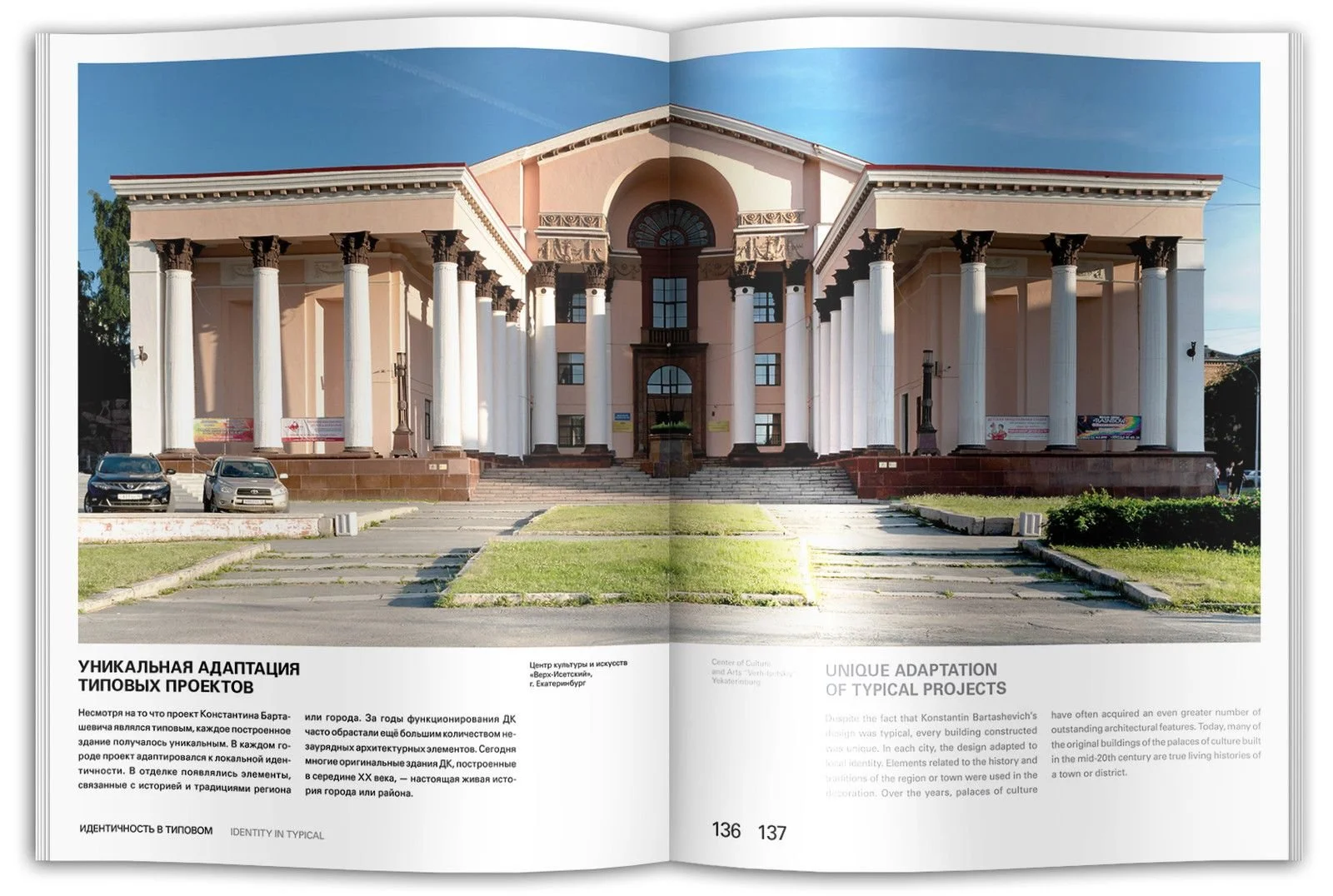
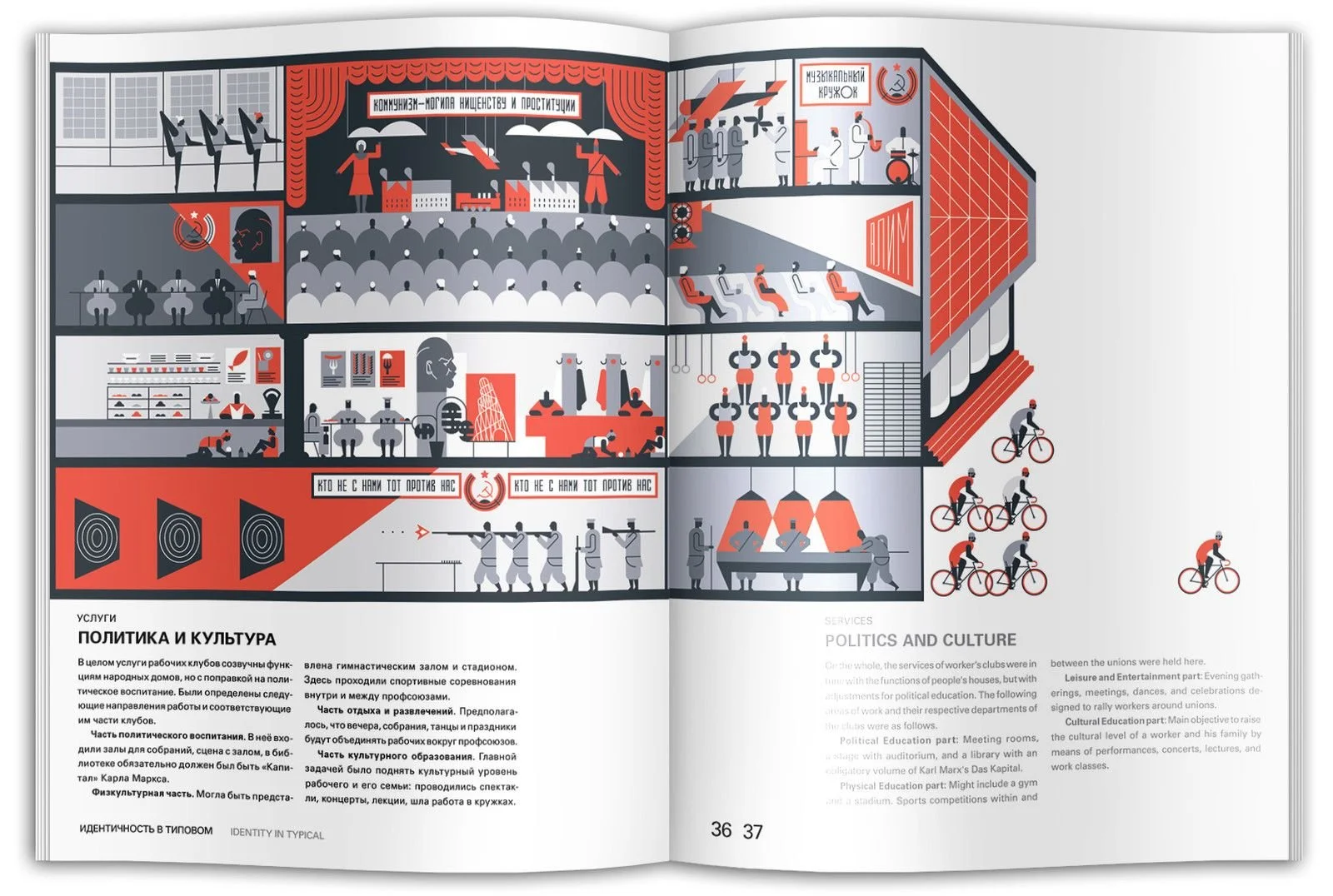
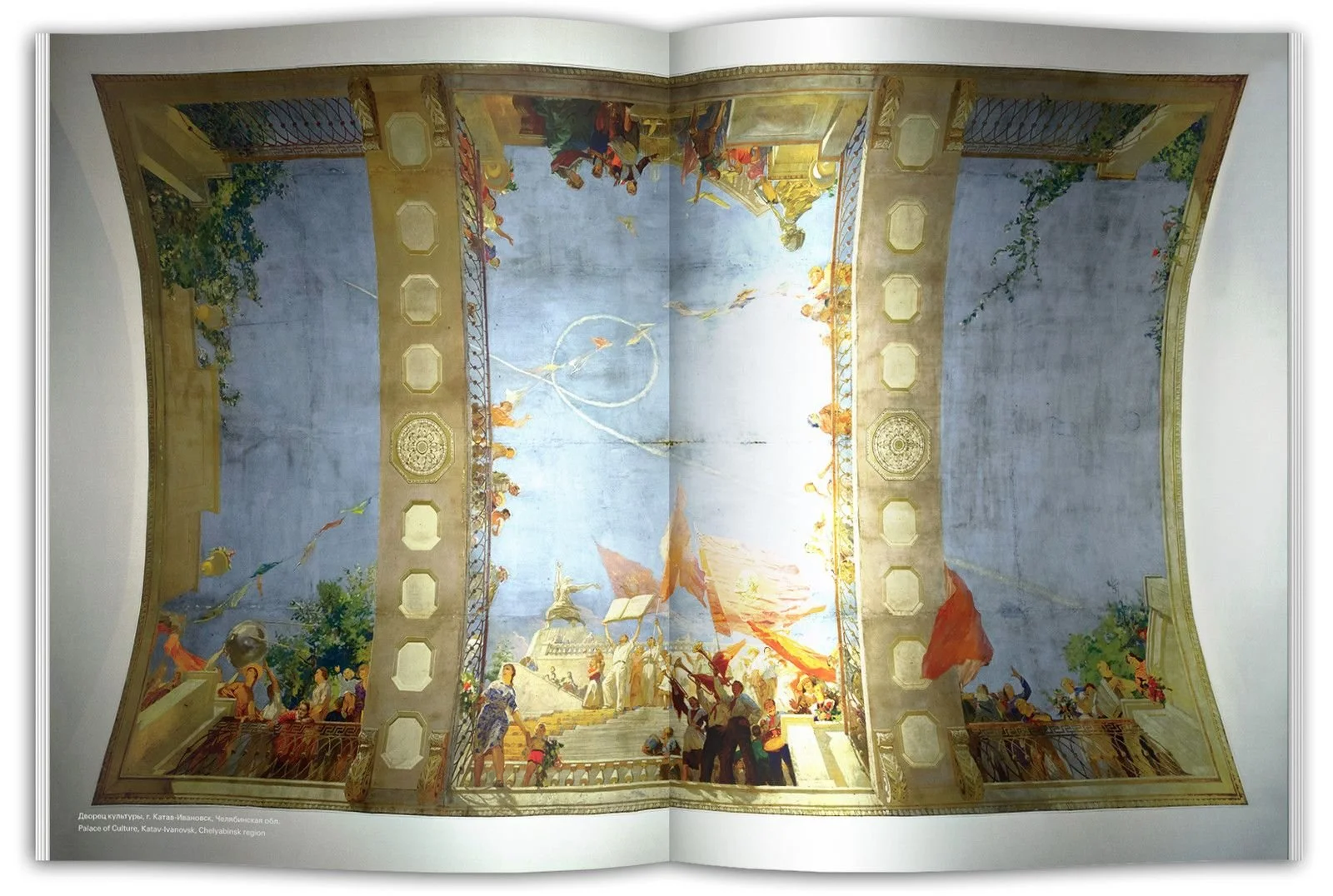
The widescale project included research on the past, present, and possible future of Soviet-era cultural buildings that resulted in the book “Identity in Typical”, published in 2021, and accompanying graphic movie. Wide project-related public programs included workshops, lectures, discussions, and exhibitions that were a success and led to various theme-related commissions.
Location: former USSR countries.
Program: soviet-era built houses and palaces of culture.
Research period: 2019-2022.
Collaborators: Daria Naugolnova (DVN architect).
Supported by Creative Industries Fund NL.
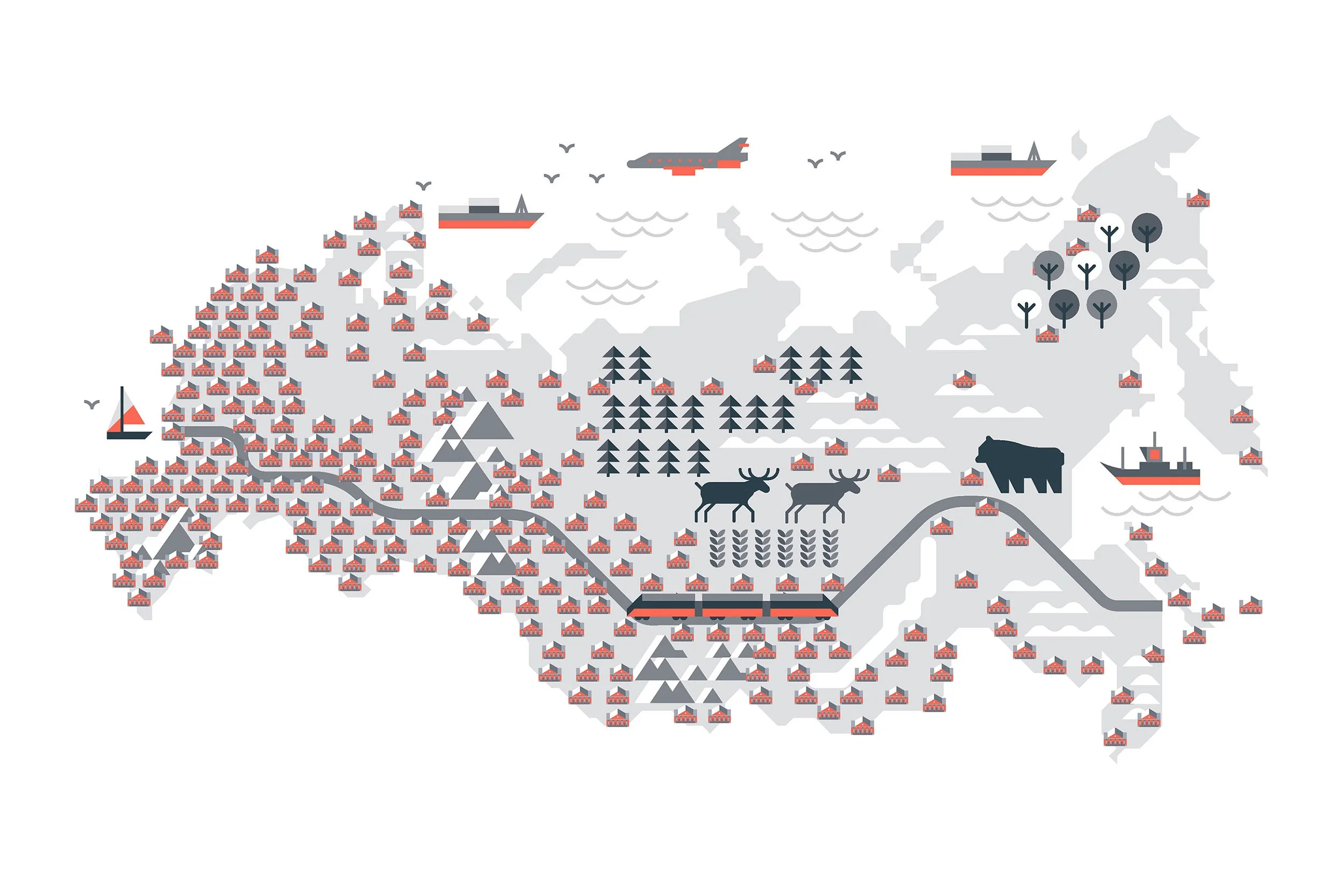
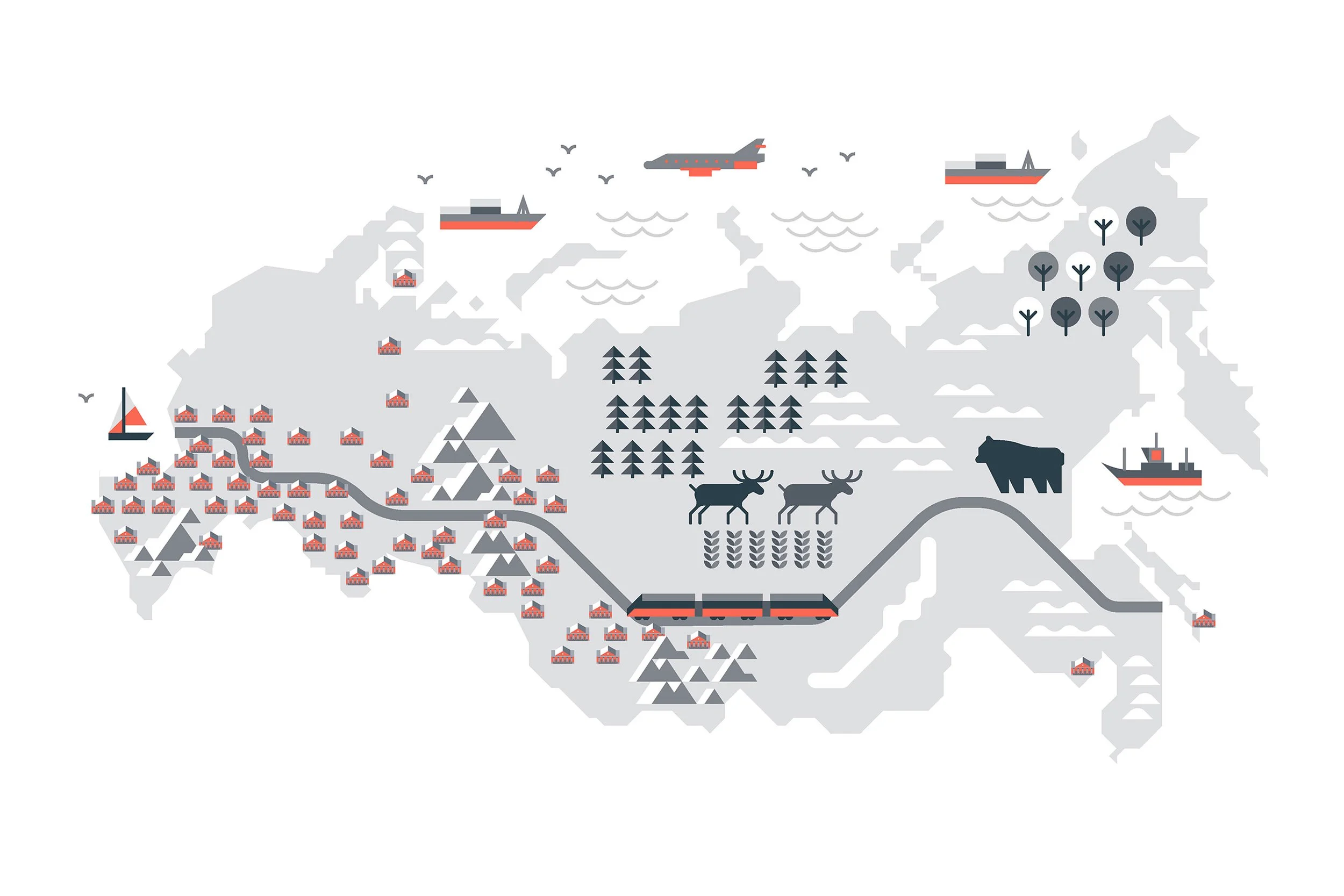
Location map of the three main types of Palaces of Culture
Research
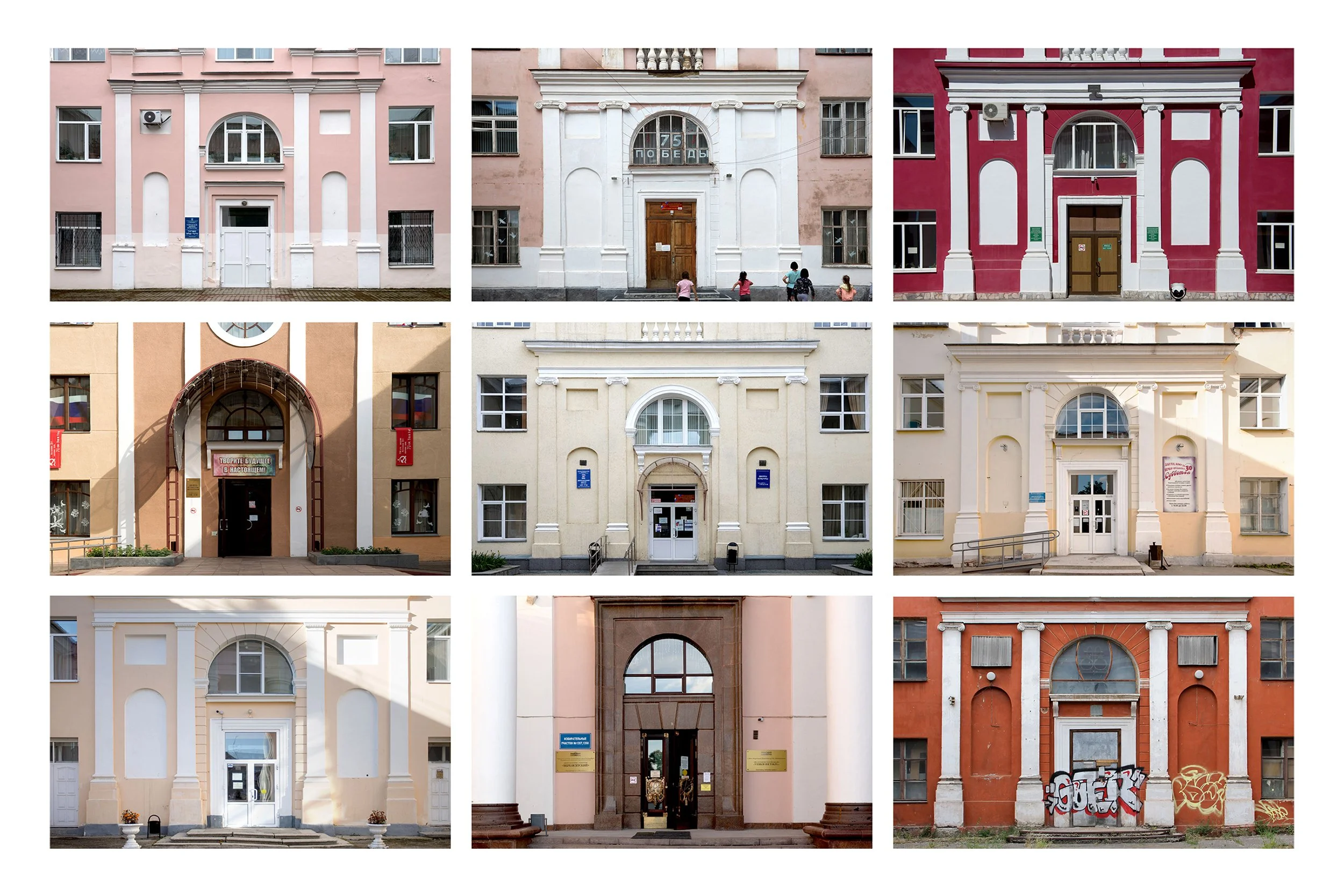
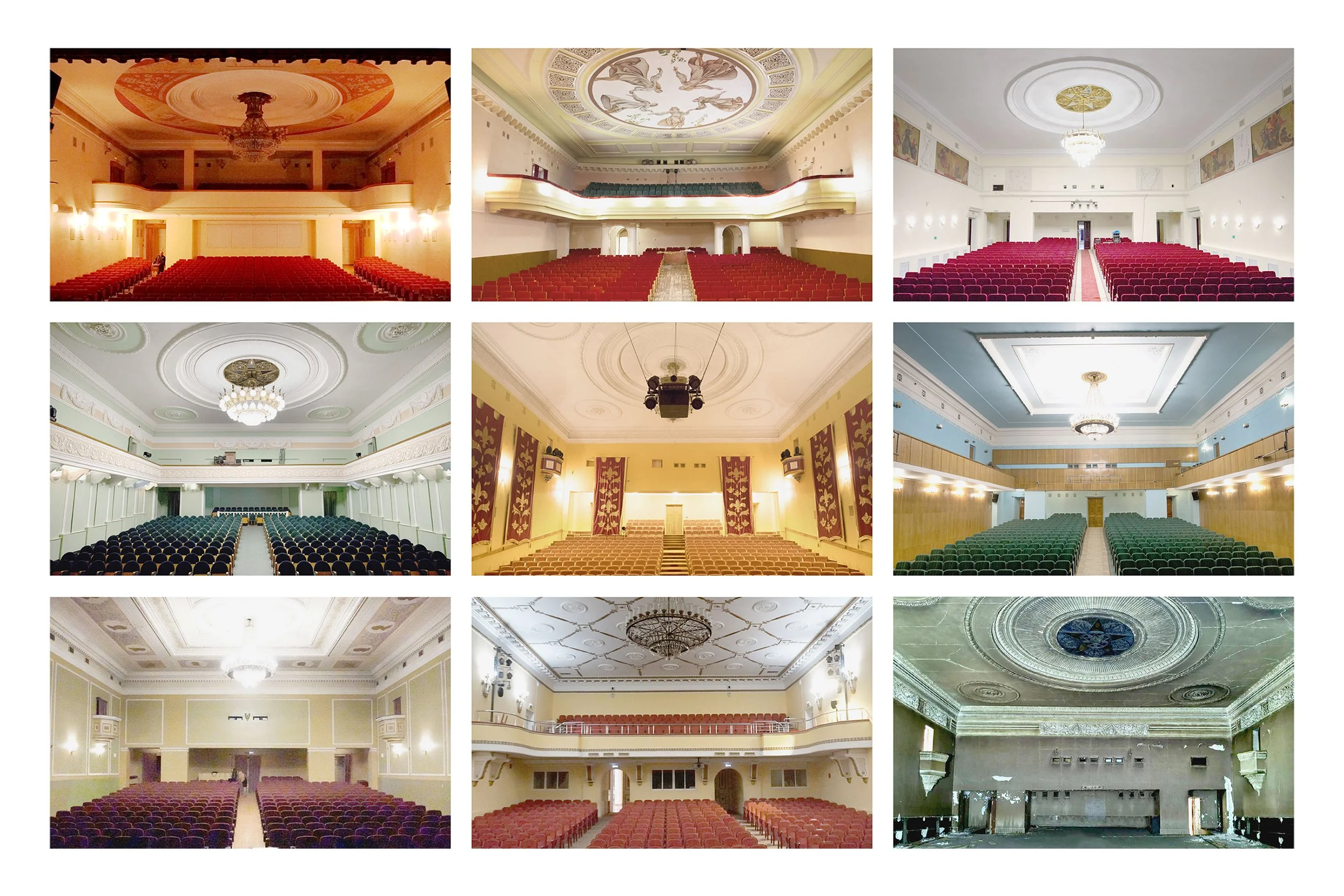
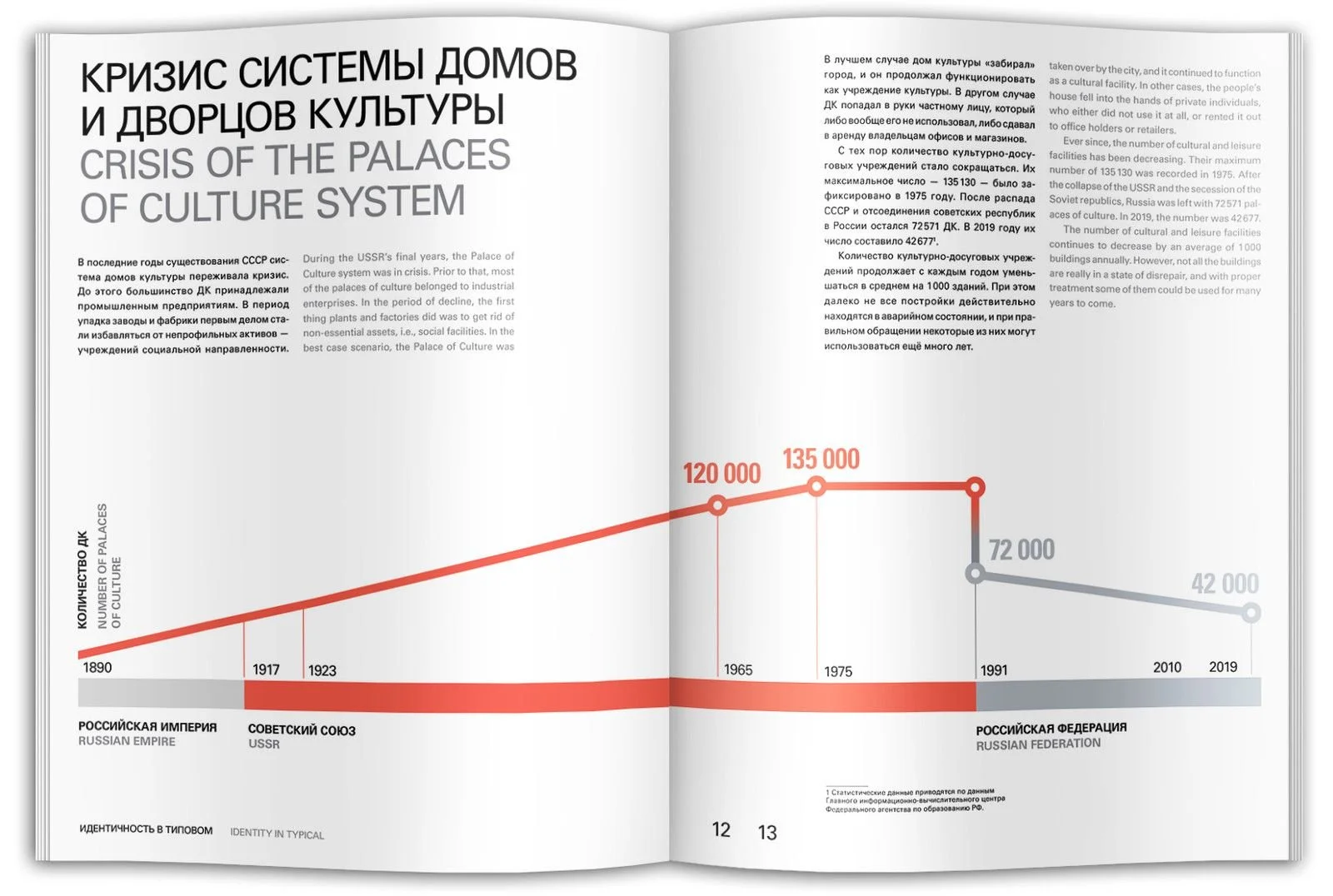
A unique system of accessible creative leisure, the Palace of Culture (PoC) system in Russia is the only network of social and cultural buildings of its kind on this scale in the world. Palaces of Culture exist in every region, city, and nearly every village in Russia, and they are also widespread across former USSR republics. At its peak, the system comprised 135,000 buildings throughout the country, ensuring that every citizen in the USSR had access to creative leisure.
In 2019, Alexey Boev and Daria Naugolnova initiated a comprehensive study of the PoC system, focusing on its most prevalent typologies. The goal of the research was to examine these buildings from past, present, and future perspectives, assessing their current status and exploring ways to integrate them into contemporary society. The research included a wide range of activities such as public discussions, workshops with PoC system directors and staff, architectural students, and local residents, as well as exhibitions. Over the course of three years, several key outputs were produced, including a book and a short film.
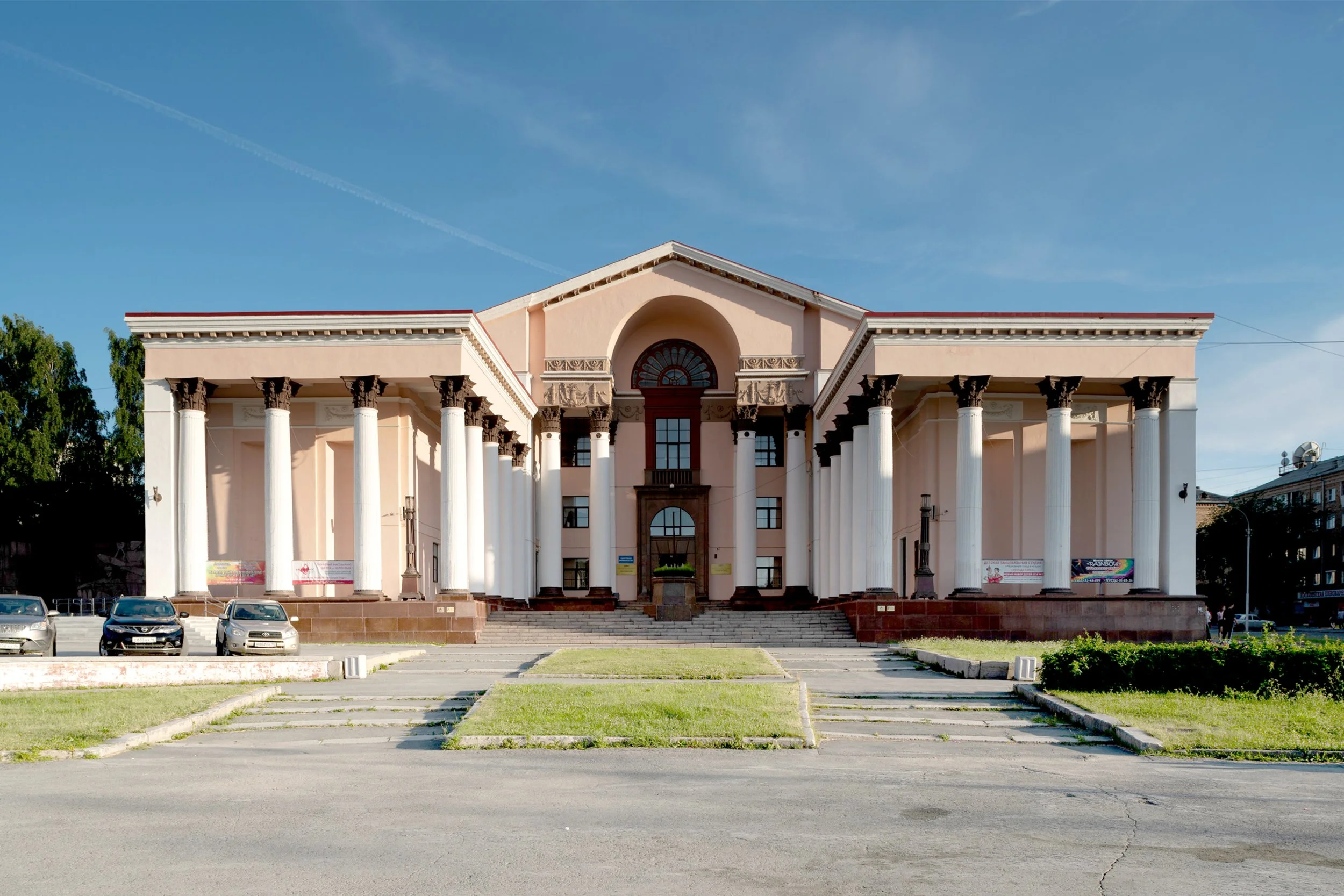
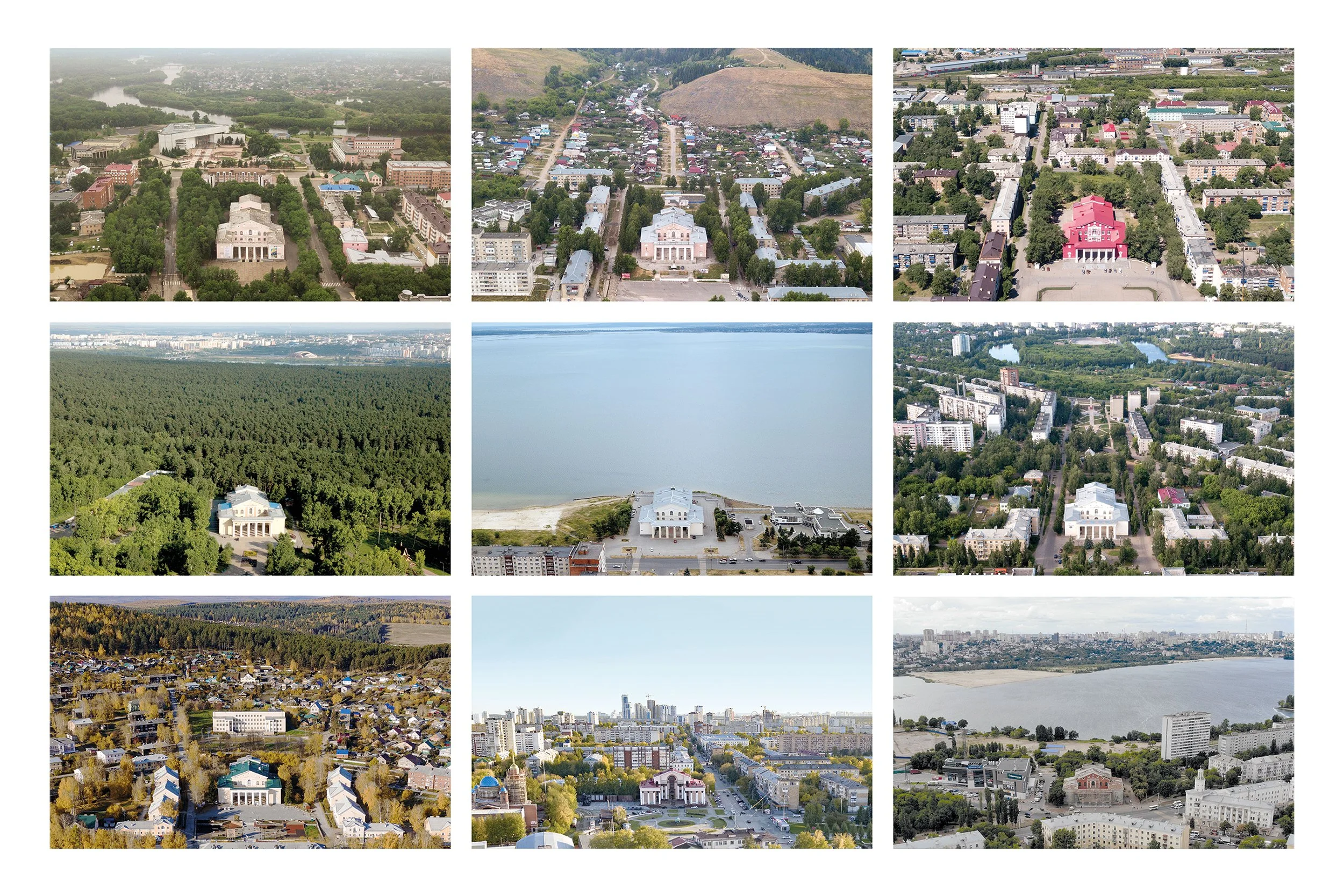
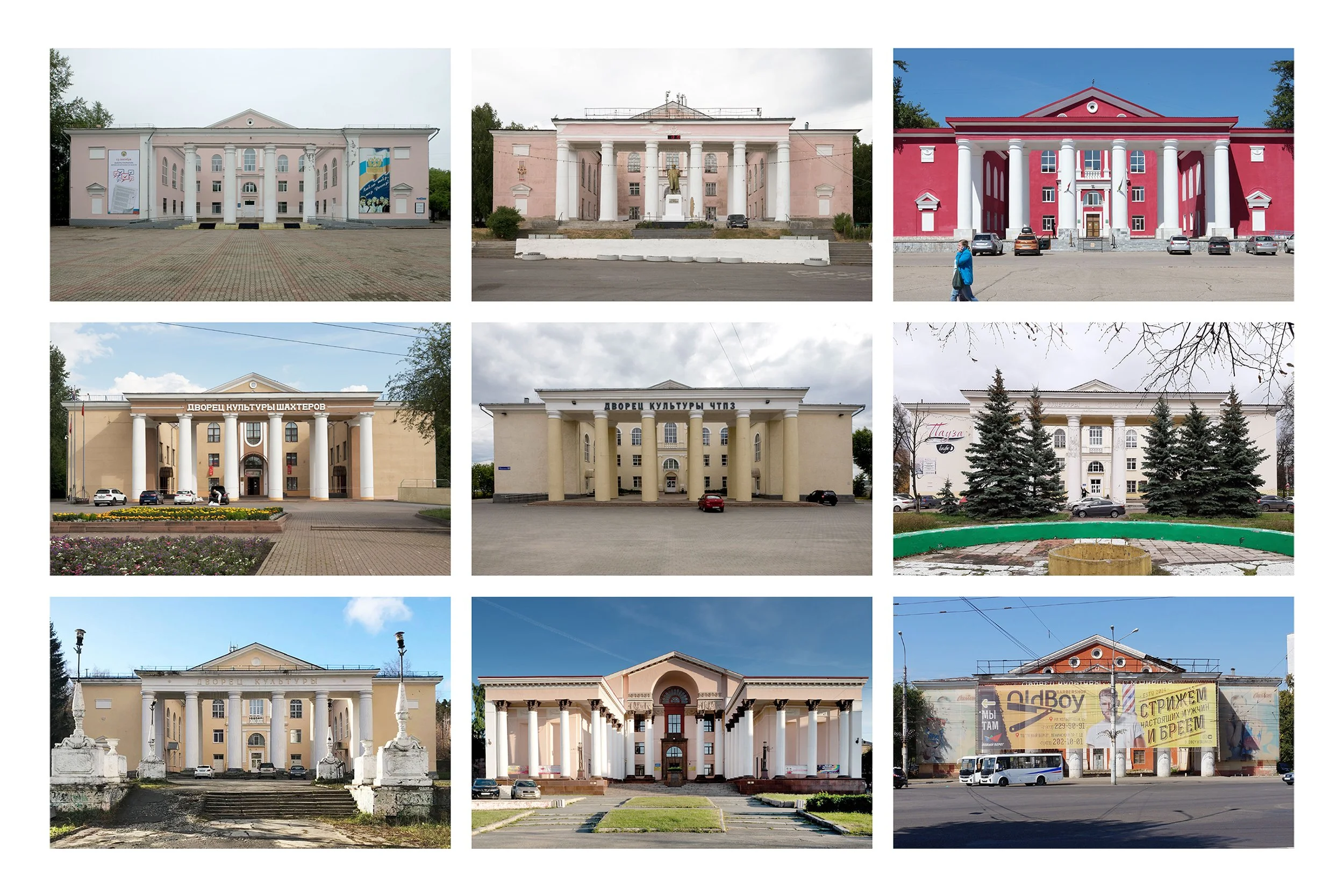
Book and movie
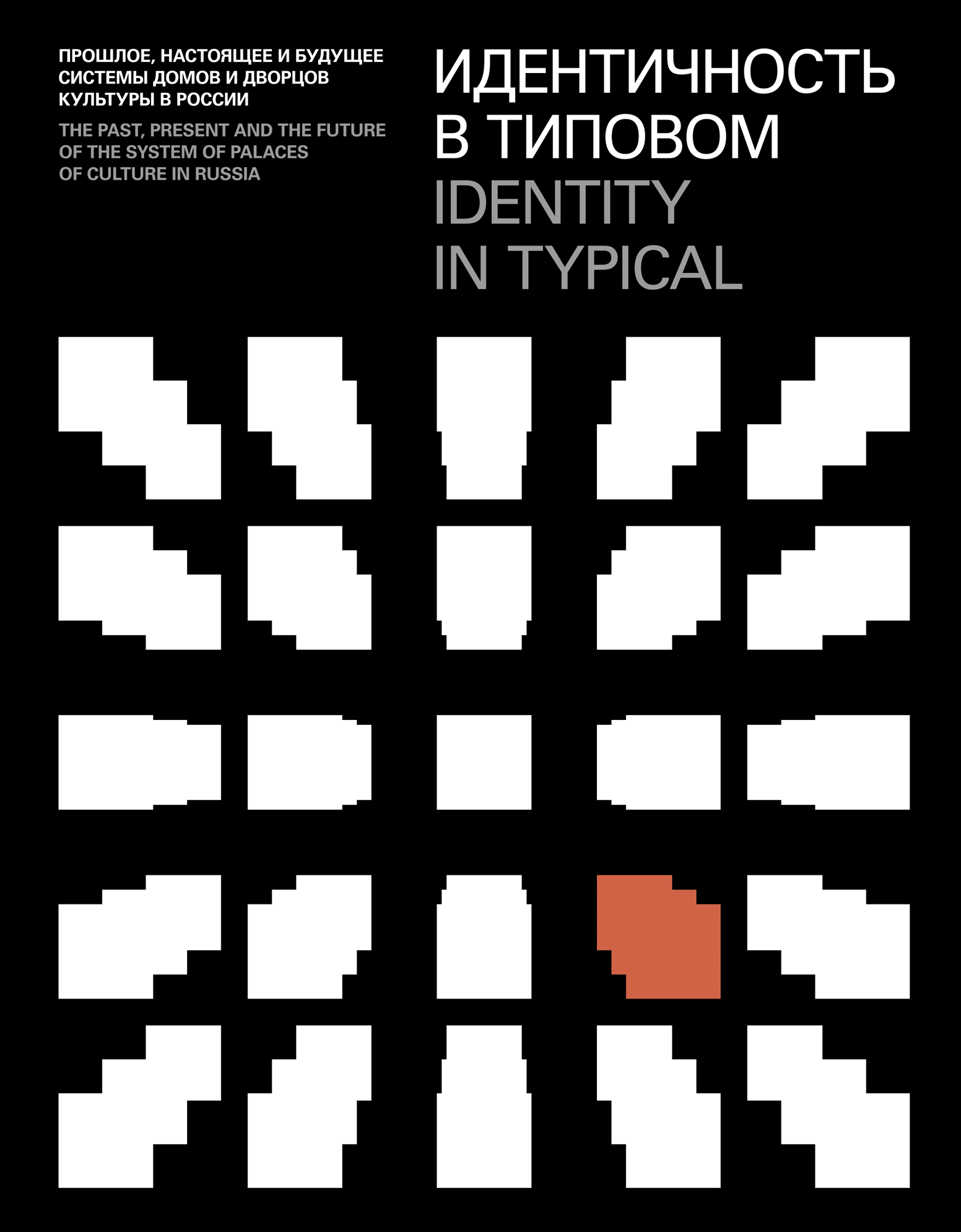
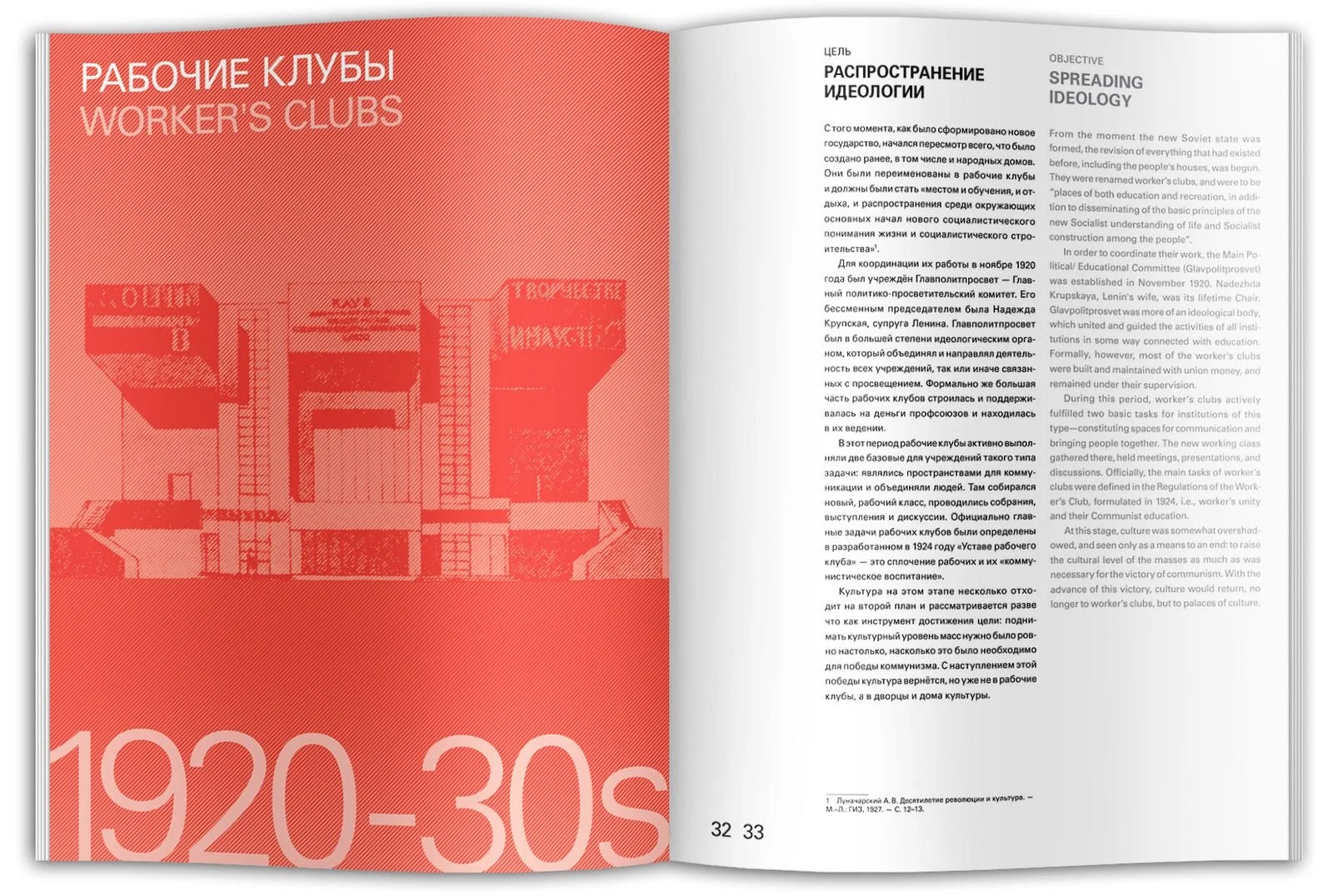
The book "Identity in Typical" was prepared for publication as part of the research project of the same name, with the support of the Tatlin publishing house, the Stimuleringsfonds Creatieve Industrie Fund, the Union of Moscow Architects, and the Presidential Grants Fund. "Identity in Typical" is dedicated to researching the phenomenon of a unique system of accessible creative leisure: the system of Houses and Palaces of Culture, which played a significant role in shaping cultural life across the Soviet Union and its legacy today.
Aimed at a broad audience, the book is intended for both professionals in the field of culture and readers interested in the history of Russia and the USSR from the 19th to the 21st century. It is divided into three parts: the past, present, and future of the system of Houses and Palaces of Culture.
The historical section examines the goals and objectives that the state assigned to the Palace (House) of Culture system during various periods. The section on the system's current state describes the crisis it faces and the experiments conducted in search of solutions. The chapter on future development outlines the methods for rebooting the system, tested by the "Identity in Typical" project team, as well as the qualitative changes that modernization of the House of Culture system will bring to the development of creative industries in Russia.
A cartoon movie was created to accompany the book launch and provide an overview of the topics. The illustrations by Evgeniy Rein, made for the book, come to life in the movie, telling the story of the past, present, and future of the Palaces of Culture, engaging viewers through vibrant visuals and a captivating narrative.
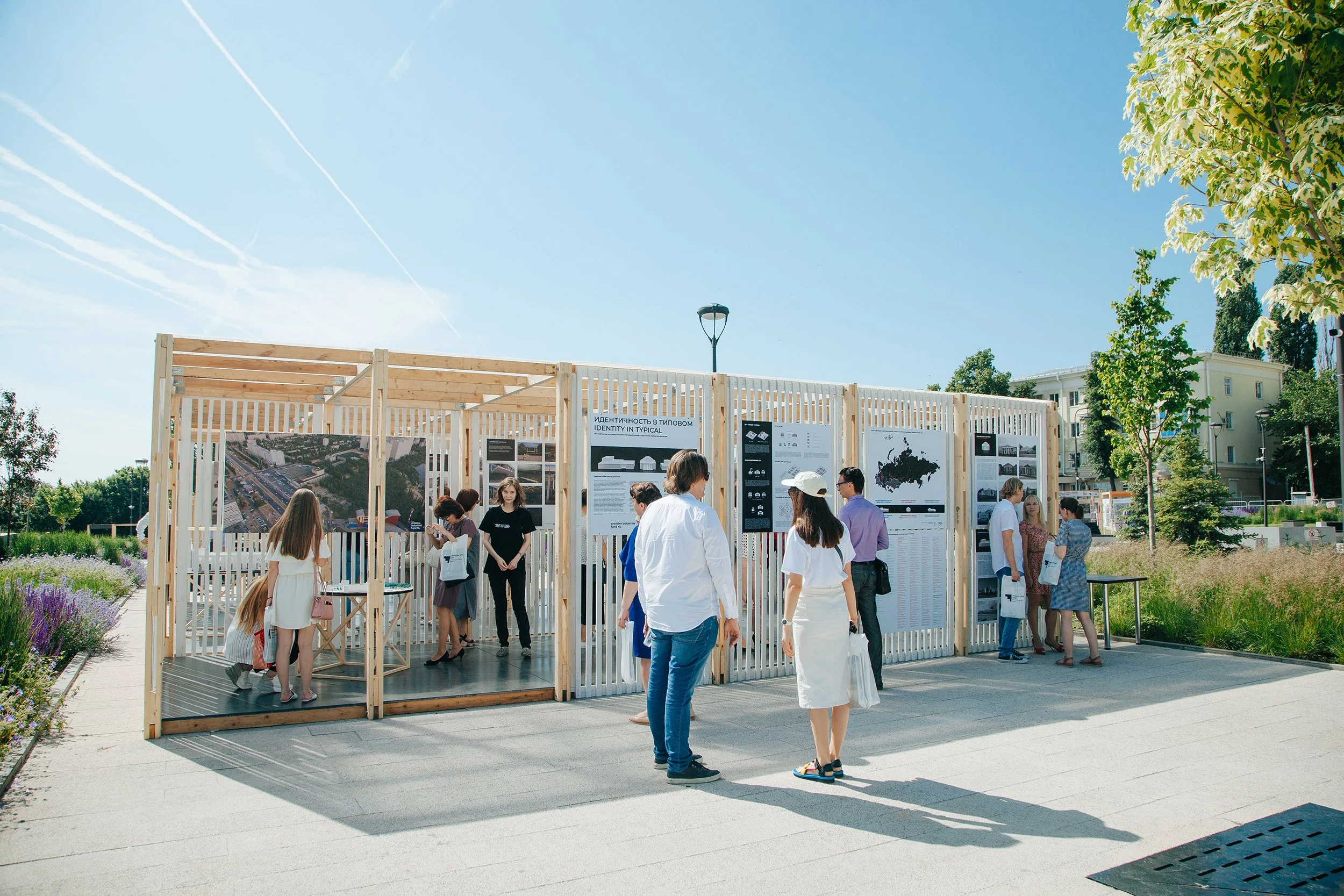
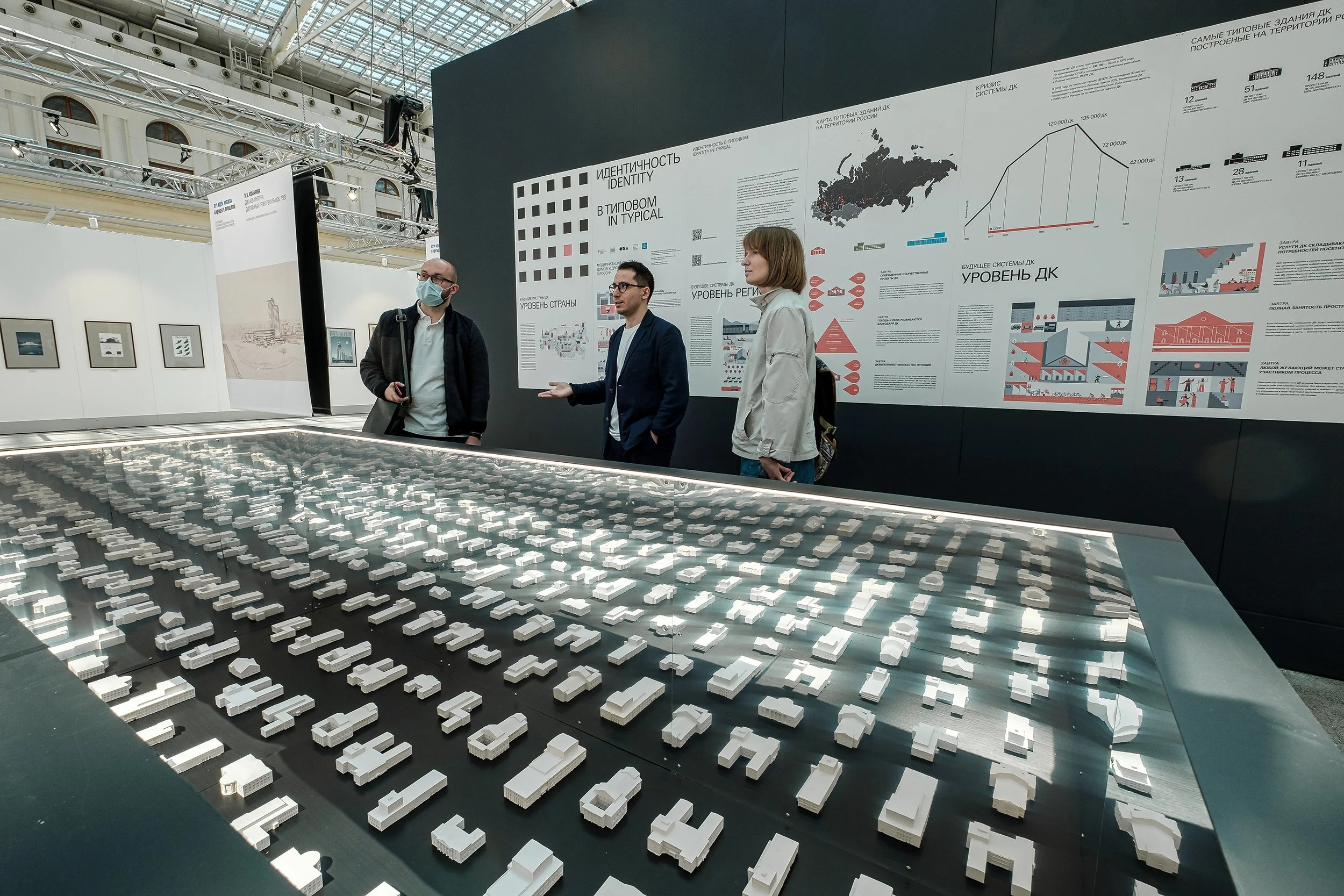
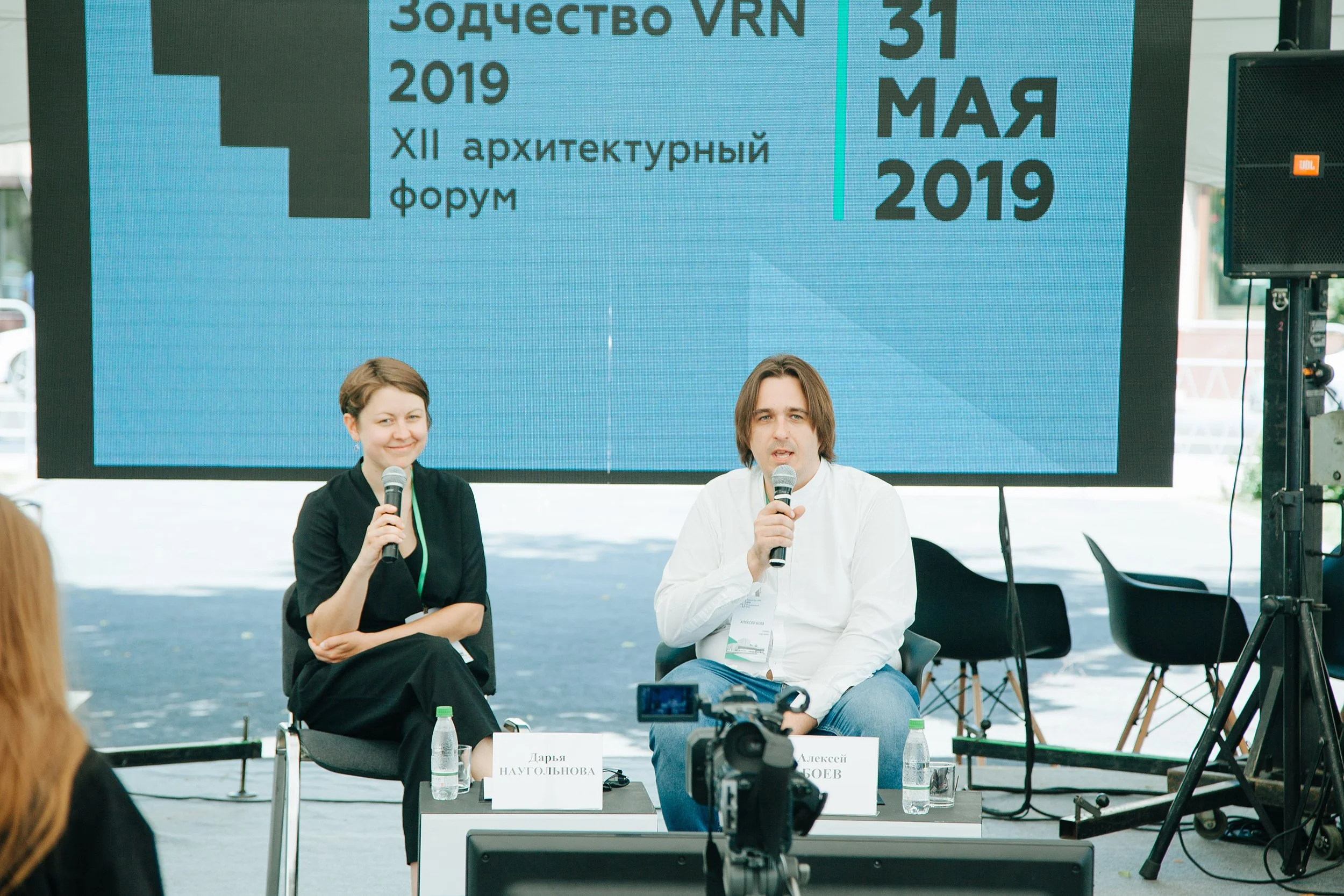
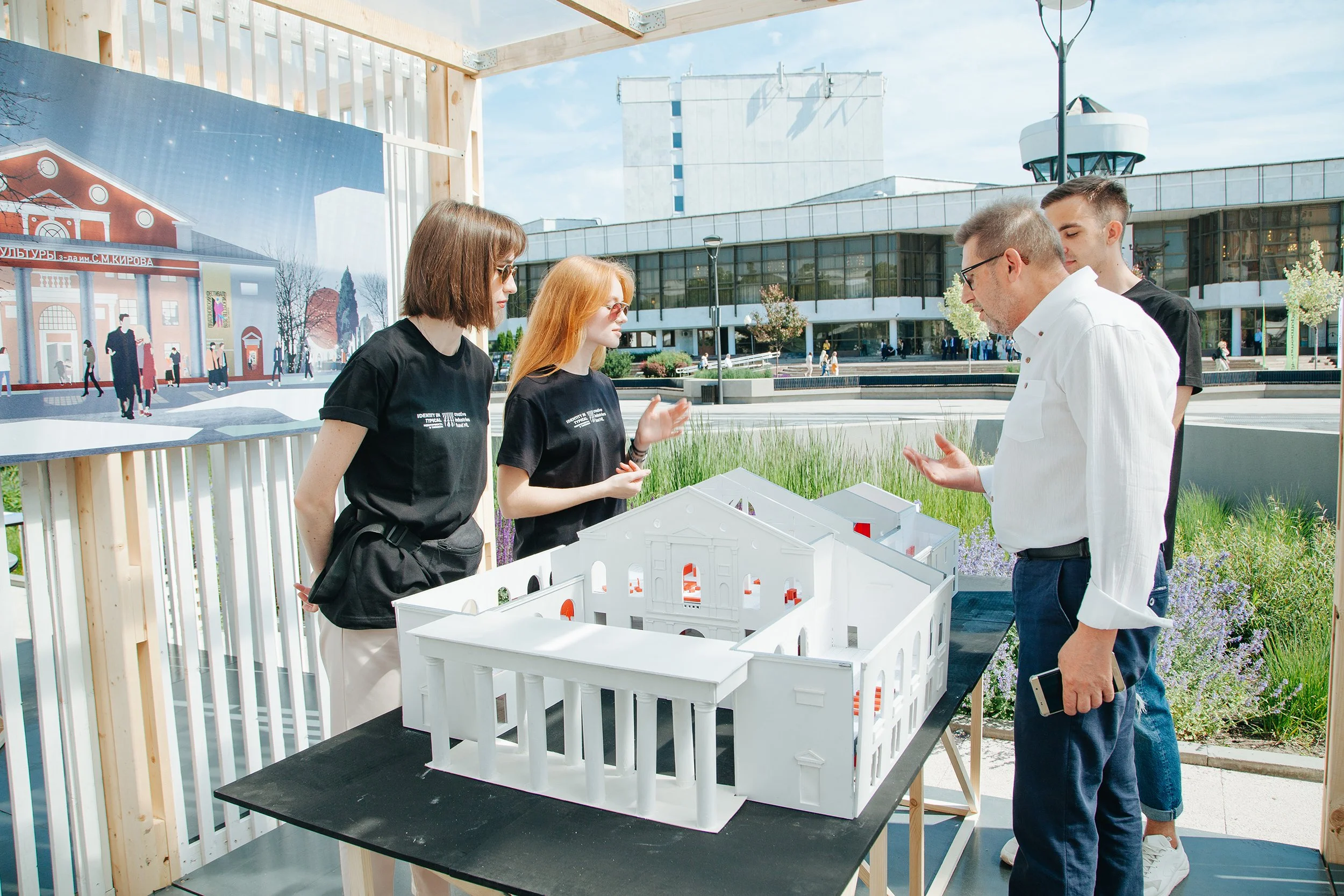
Temporary exhibition pavilion at the Zodchestvo VRN 2019 architectural forum
Public talks and exhibitions
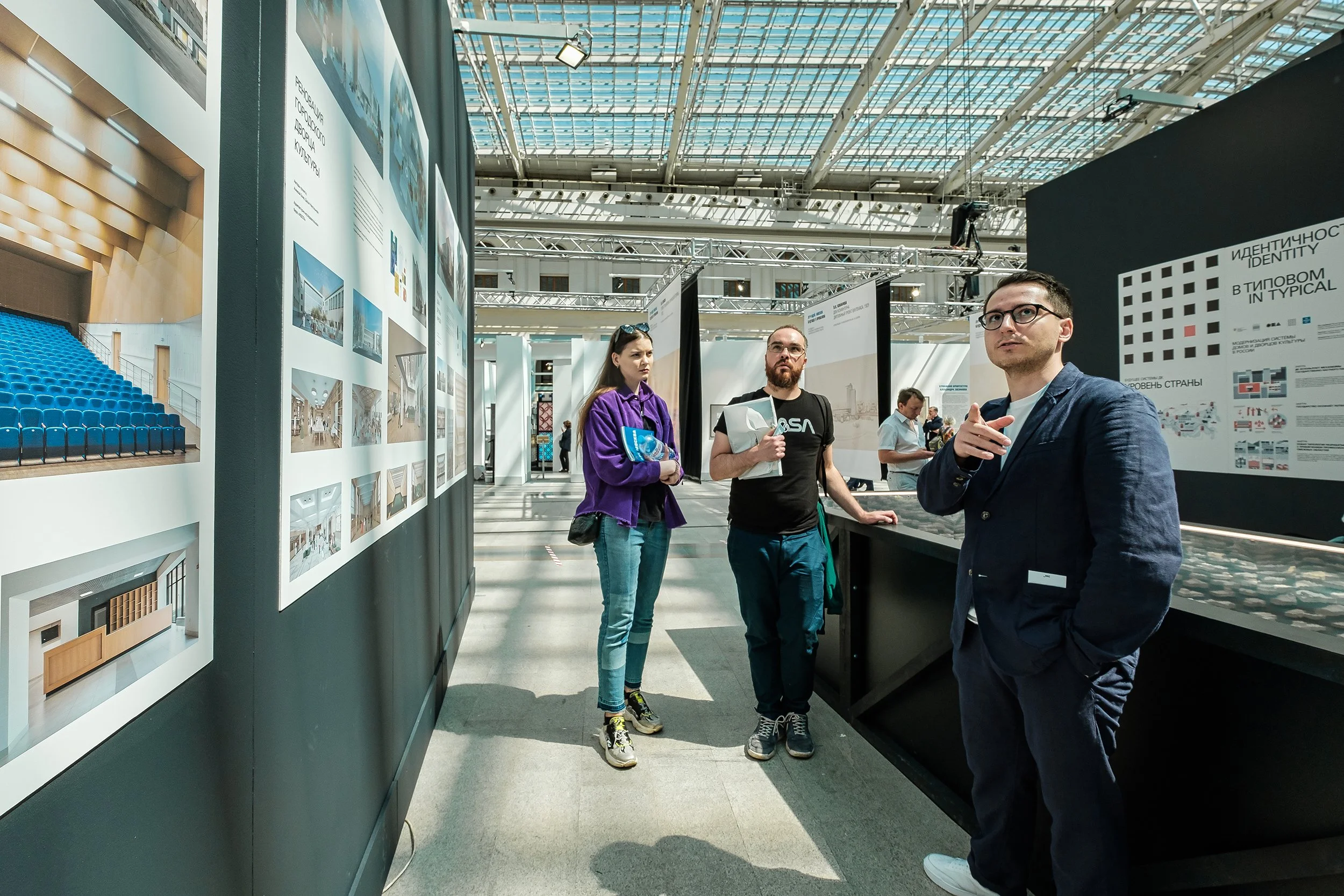
A public program was also part of the project and included exhibitions and public talks among other activities. The project was exhibited and presented at various events in Moscow, Saint Petersburg, Yakutsk, Voronezh, Belgorod, and other Russian cities.
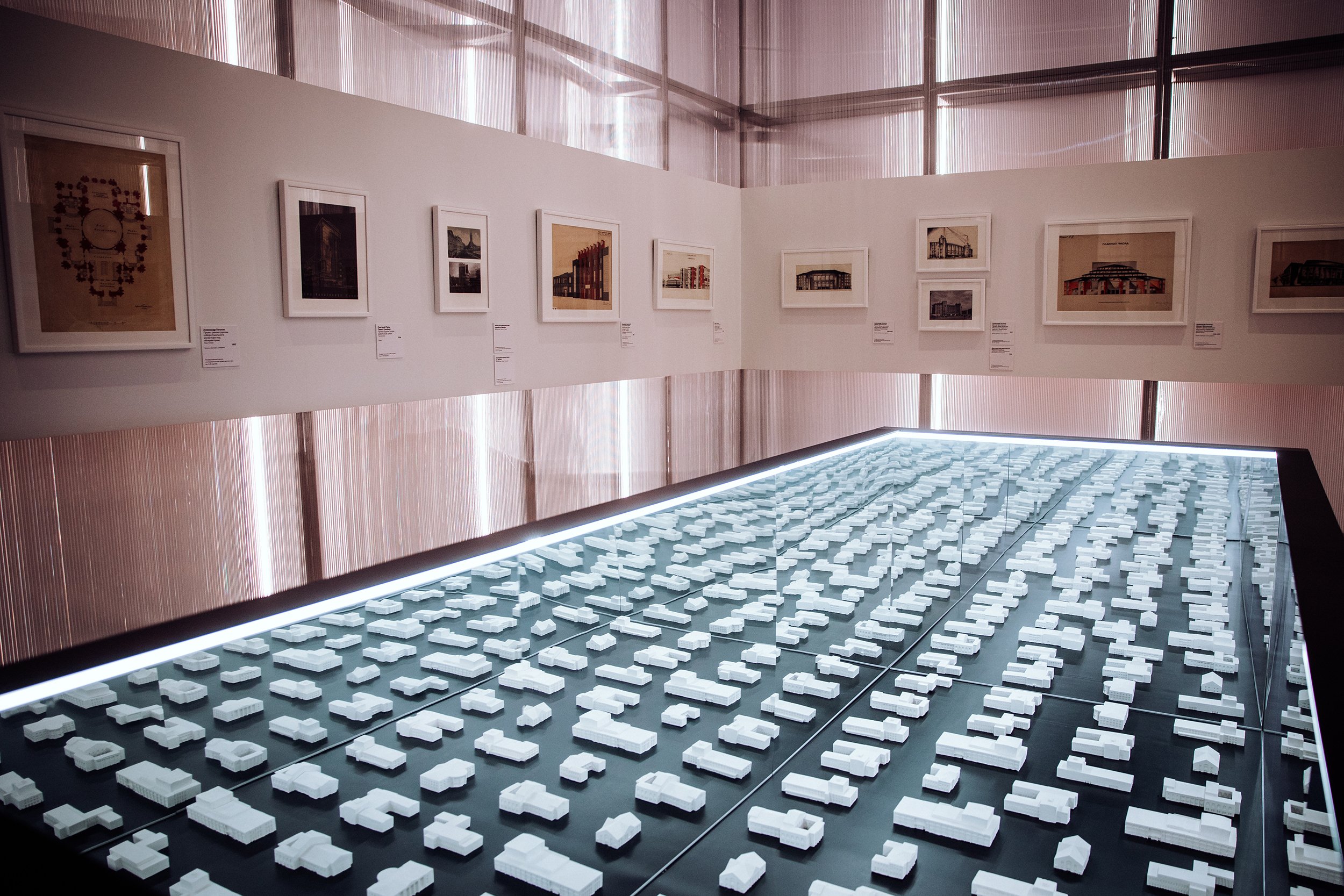
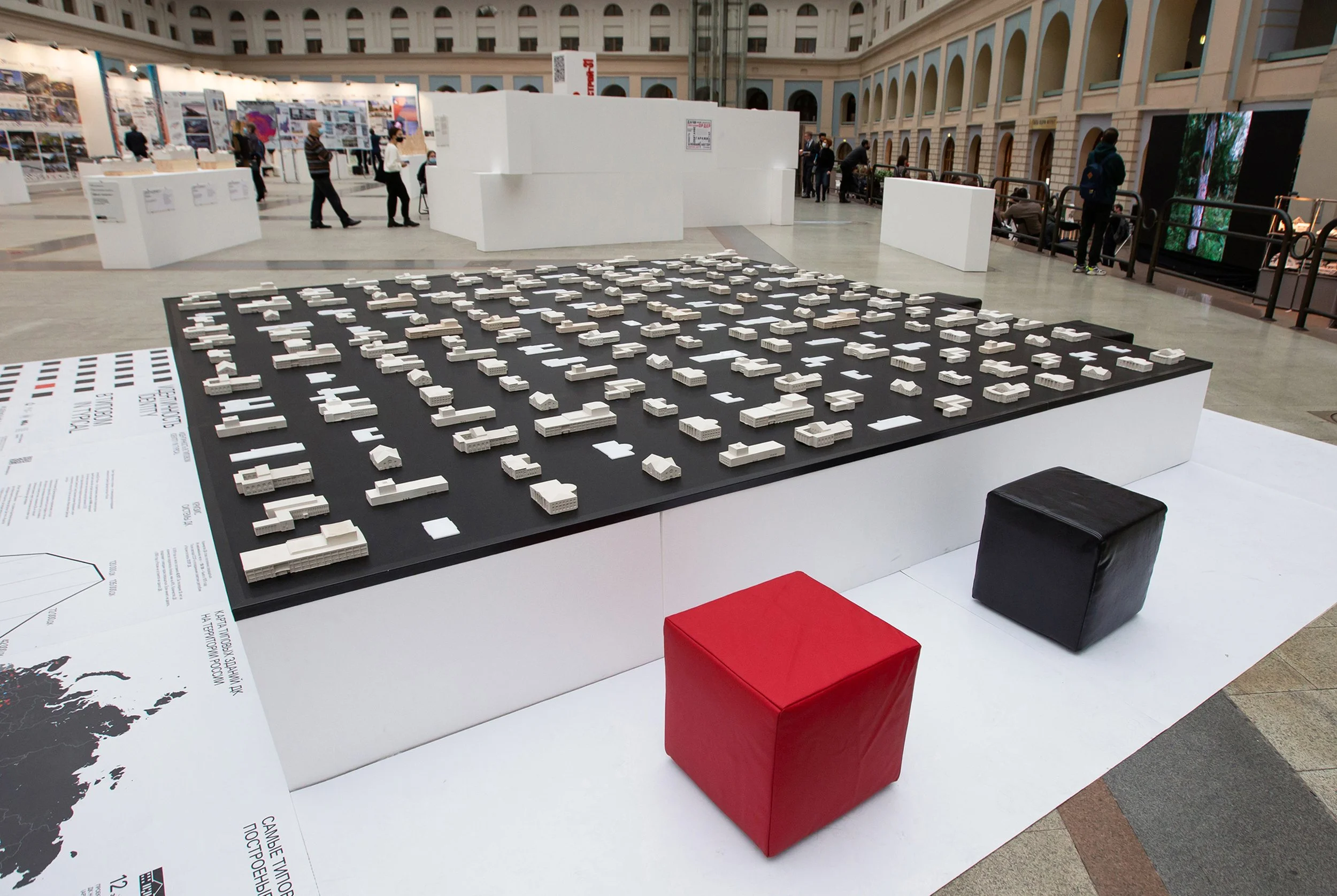
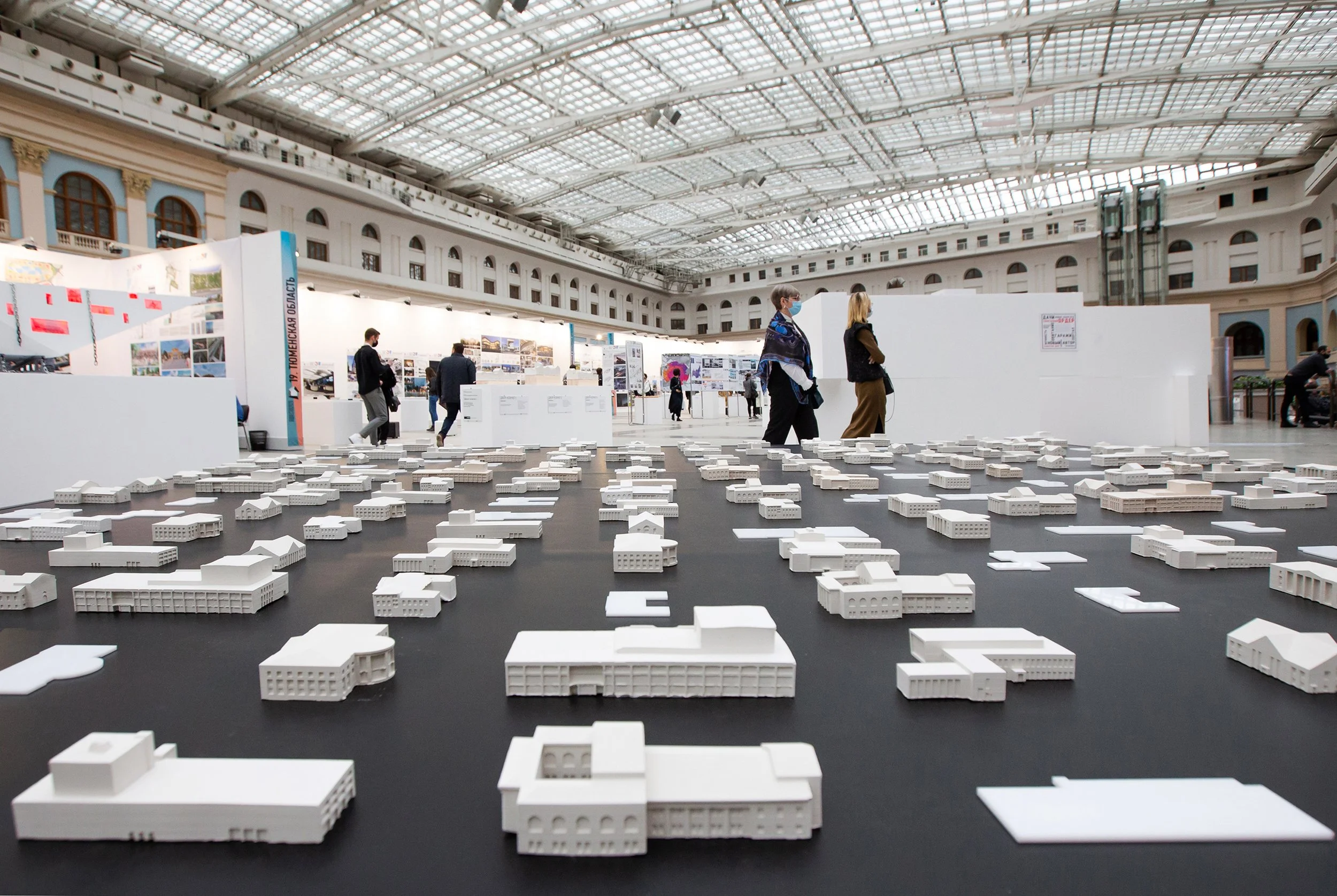
One of the most striking features of the "Identity in Typical" exhibitions at various architectural festivals was an installation of numerous scaled gypsum models of typical Palaces of Culture. To highlight the scale and importance of these buildings, the white gypsum models were placed on a contrasting surface within a box, where mirrored walls reflected the models, creating the illusion of an infinite number of objects. The installation received acclaim for its creative design, bringing additional depth to the research theme.
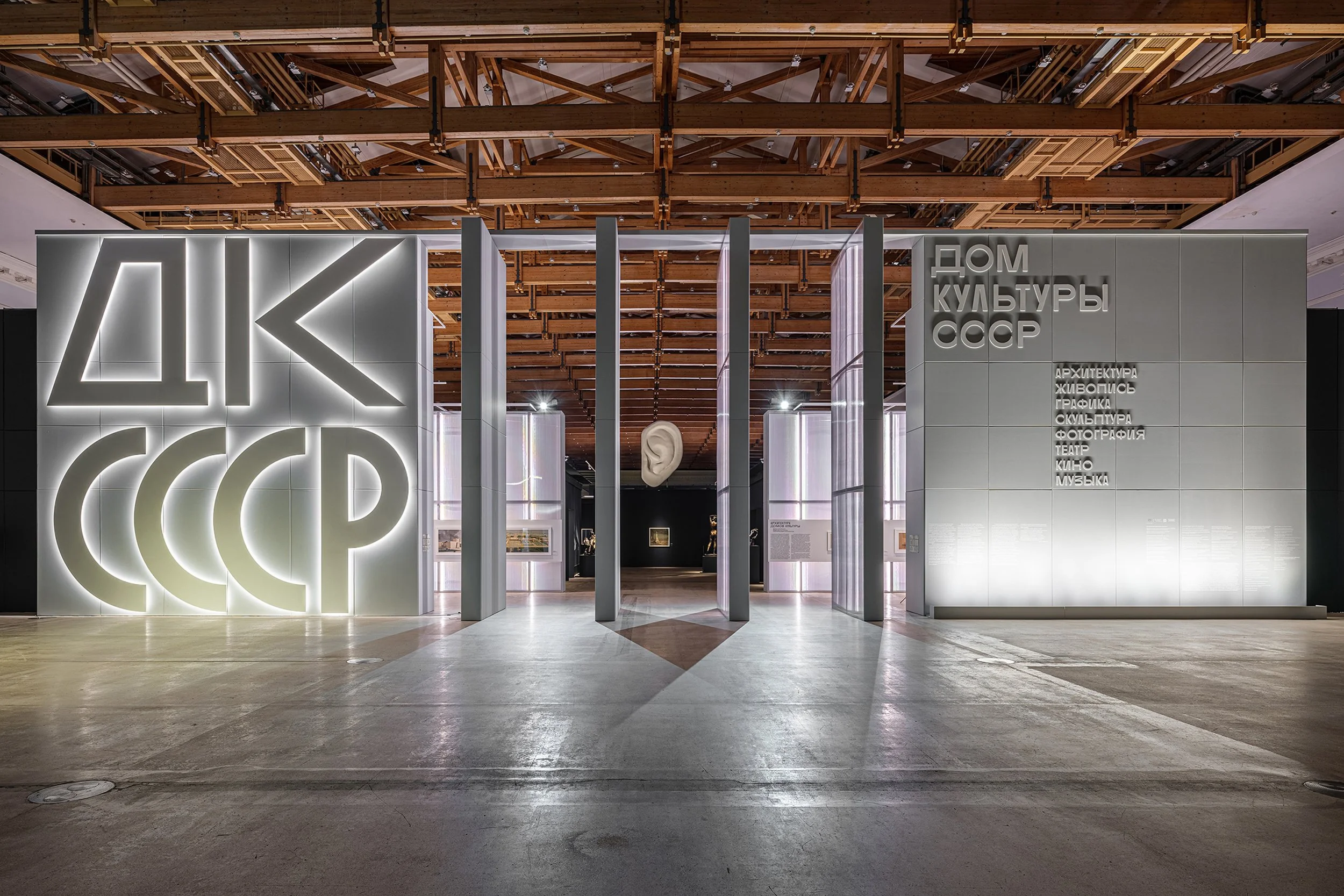
The project was showcased at significant events, including the Cultural Forum in Saint Petersburg, ArchMoskva in Moscow, a meeting at the Dutch Embassy for representatives of Dutch cultural industries active in Russia, the House of Culture USSR exhibition at Moscow Manege, and many others.

Workshops and education
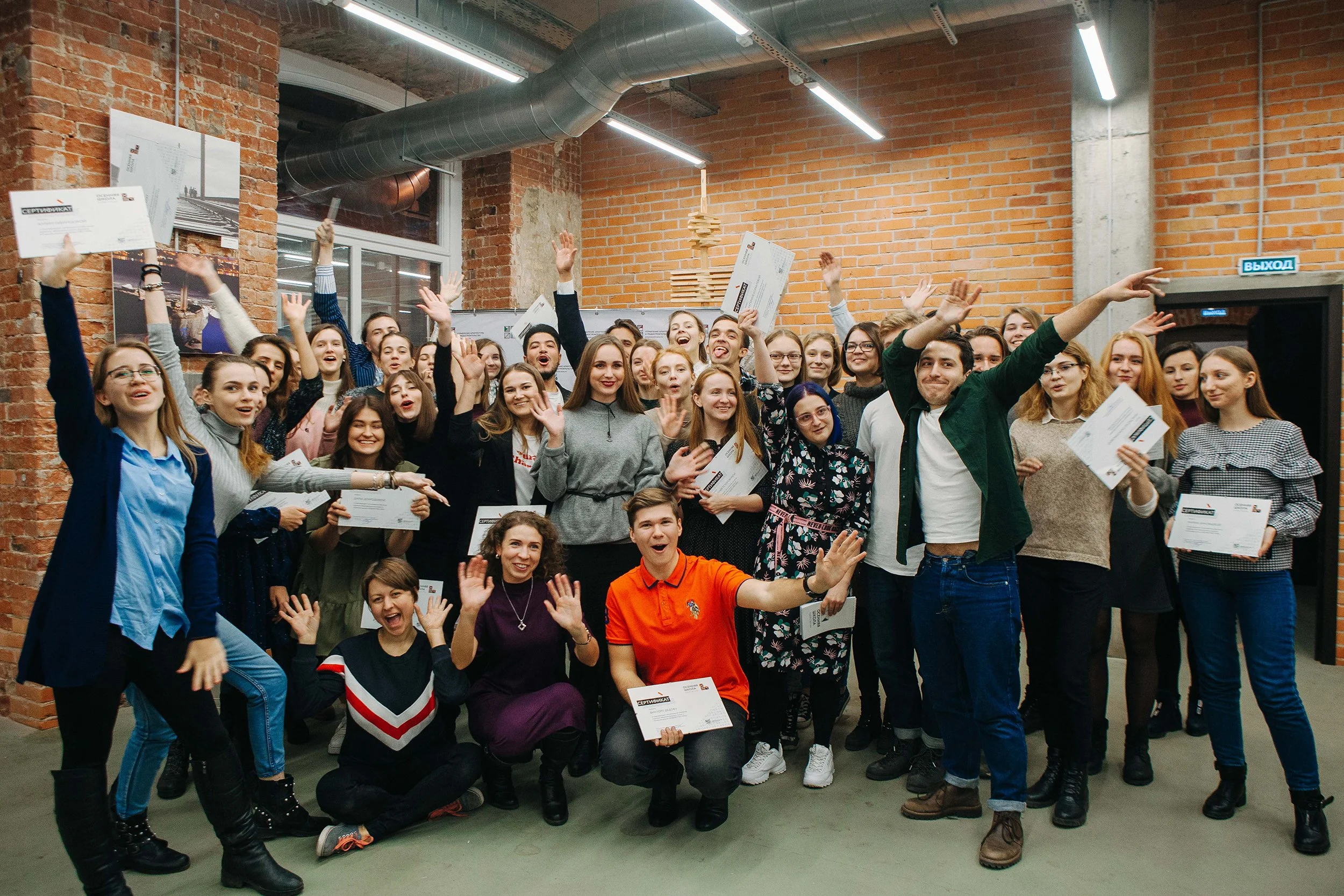
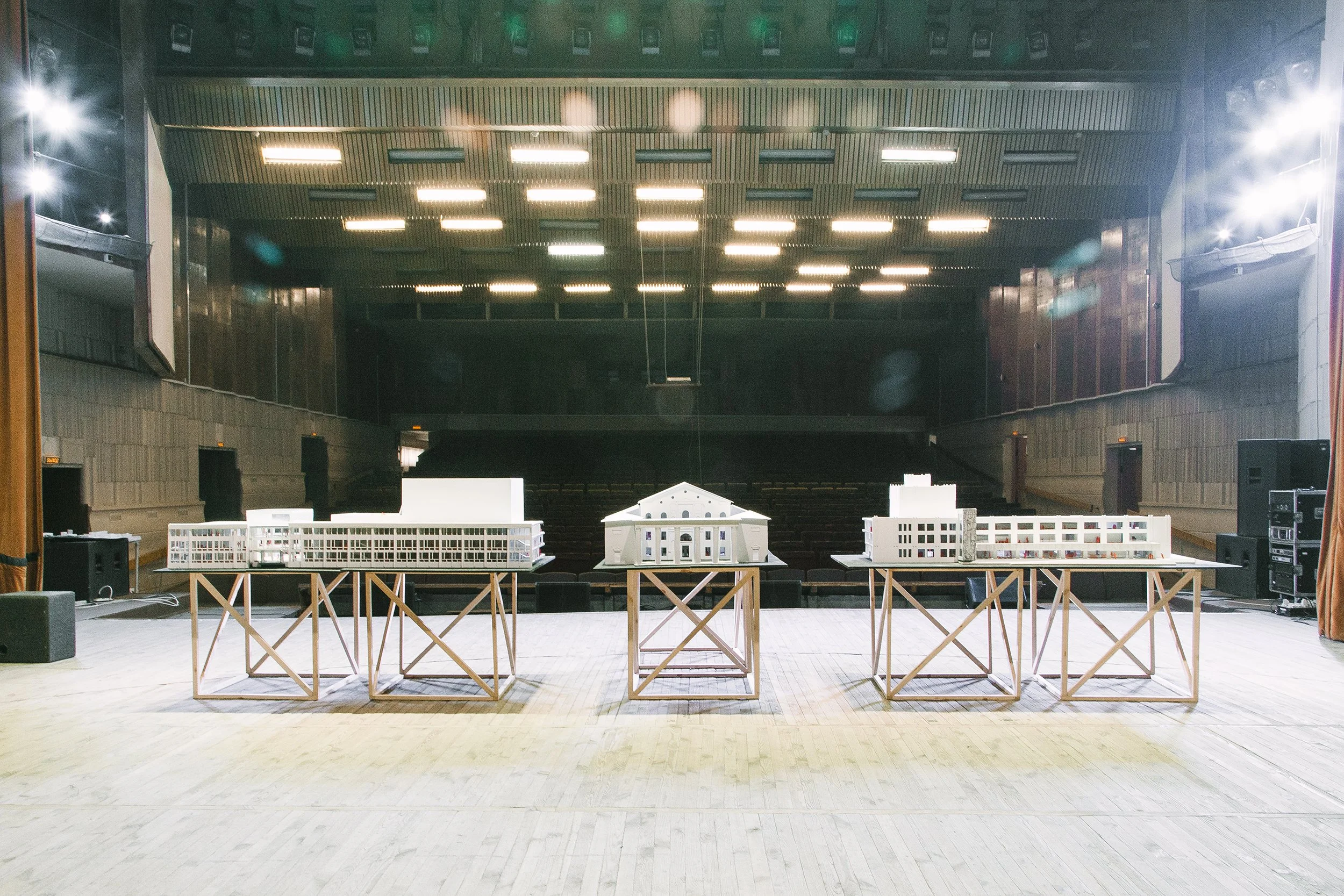
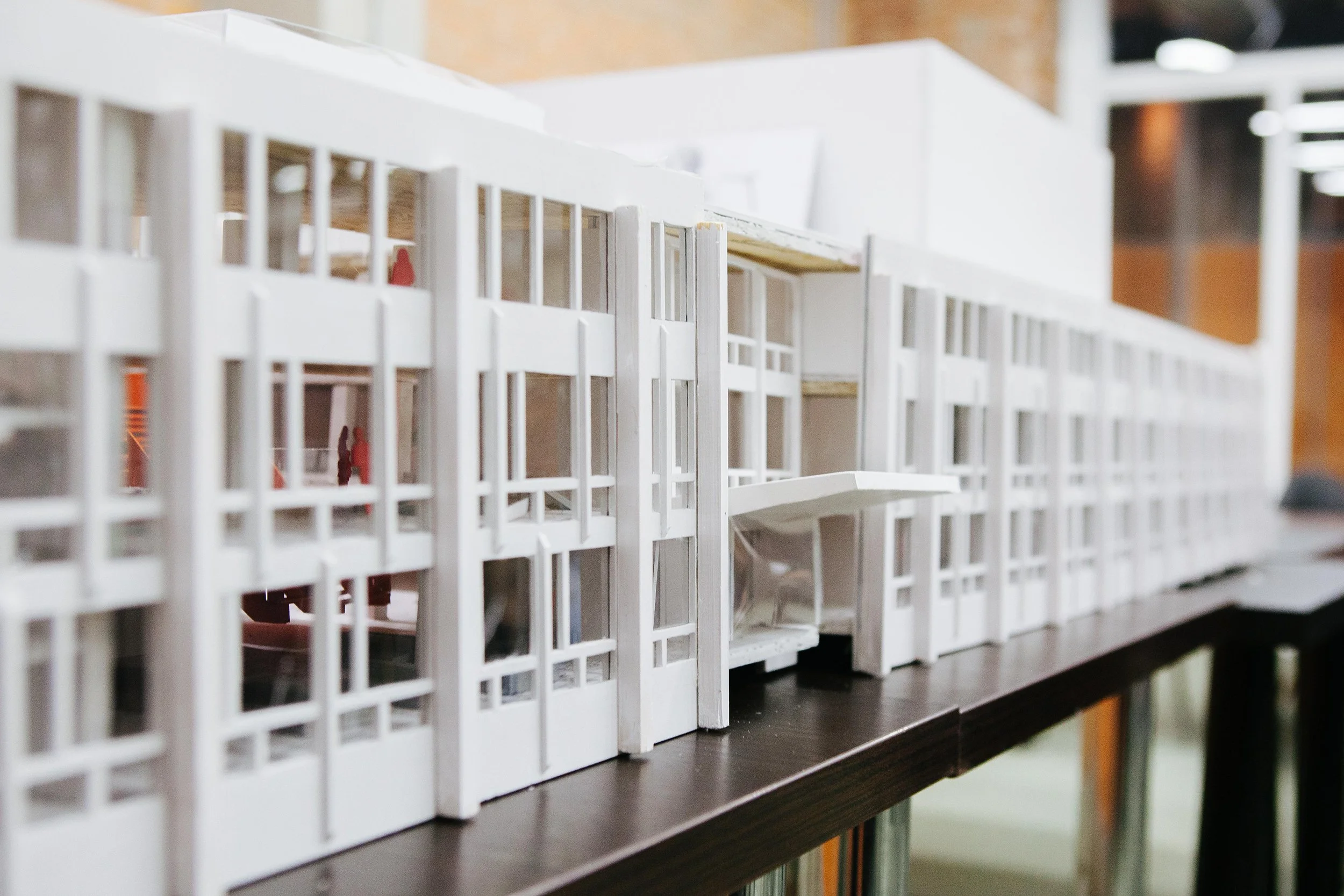
"Identity in Typical" also became an educational project, featuring workshops, seminars, and lectures for professionals, students, and the wider public. The project kicked off in the fall of 2018 with the workshop “Palaces of Culture Are Awaiting Transformation” held in Voronezh. During this workshop, 34 architecture students explored the modernization potential of three existing typical Palaces of Culture. As a result of the workshop, several solutions for adapting these Soviet buildings to contemporary uses were developed and presented to the wider public in large-scale physical models.
As part of the project, IDENTITY.IN held several seminars for directors and employees of the PoC system in different regions, raising awareness about the potential of these buildings to become an integral part of the contemporary cultural landscape. In 2021, CENTER Lab launched a series of online educational events titled "Palaces of Culture XXI," dedicated to the theory and practice of modernizing Palaces of Culture and involving local communities in these developments. IDENTITY.IN actively participated in these online sessions, which aimed to bring the topic to a broader audience.



Related projects